
Aquaculture Feed Innovation and a Reimagined Future


Published
Categories
Contributors
I’ve spent much of my career working at the intersection of seafood, finance, and operations. Across that time, one constraint has shown up again and again, regardless of geography, species, or production system: feed. Aquaculture has made enormous strides in efficiency and scale, but its future growth still depends on inputs that are increasingly volatile, resource-constrained, and exposed to environmental risk.
Today, aquaculture supplies more than half of the seafood consumed globally, and that share continues to grow. This matters for food security, livelihoods, and nutrition. But it also puts pressure on a feed system that relies heavily on fishmeal, fish oil, and soy, which are tied to finite resources, climate variability, and geopolitical disruption. Roughly 16 million tons of wild fish are still reduced into feed each year, linking farmed seafood directly to the health of forage fisheries and to price cycles that farmers cannot control.
What’s become clear to me is that aquaculture’s ability to scale largely depends on building a more diverse and resilient feed system. While there is no single solution that will carry the industry forward, we’re seeing a set of complementary innovation pathways emerge, each addressing a different pressure point in the system. Together, they represent a structural upgrade to how aquaculture feed is sourced, formulated, and delivered.
Alternative Proteins & Oils: Insects, Algae, and Microbial Proteins
The search for next-gen aquafeed ingredients has pushed innovation well beyond traditional fishmeal and fish oil. New protein and oil sources are emerging that bypass land, water, and ecological pressures associated with conventional agriculture and wild fisheries. Insects, algae, and microbial proteins deliver essential nutrients while reducing dependence on volatile commodity markets.
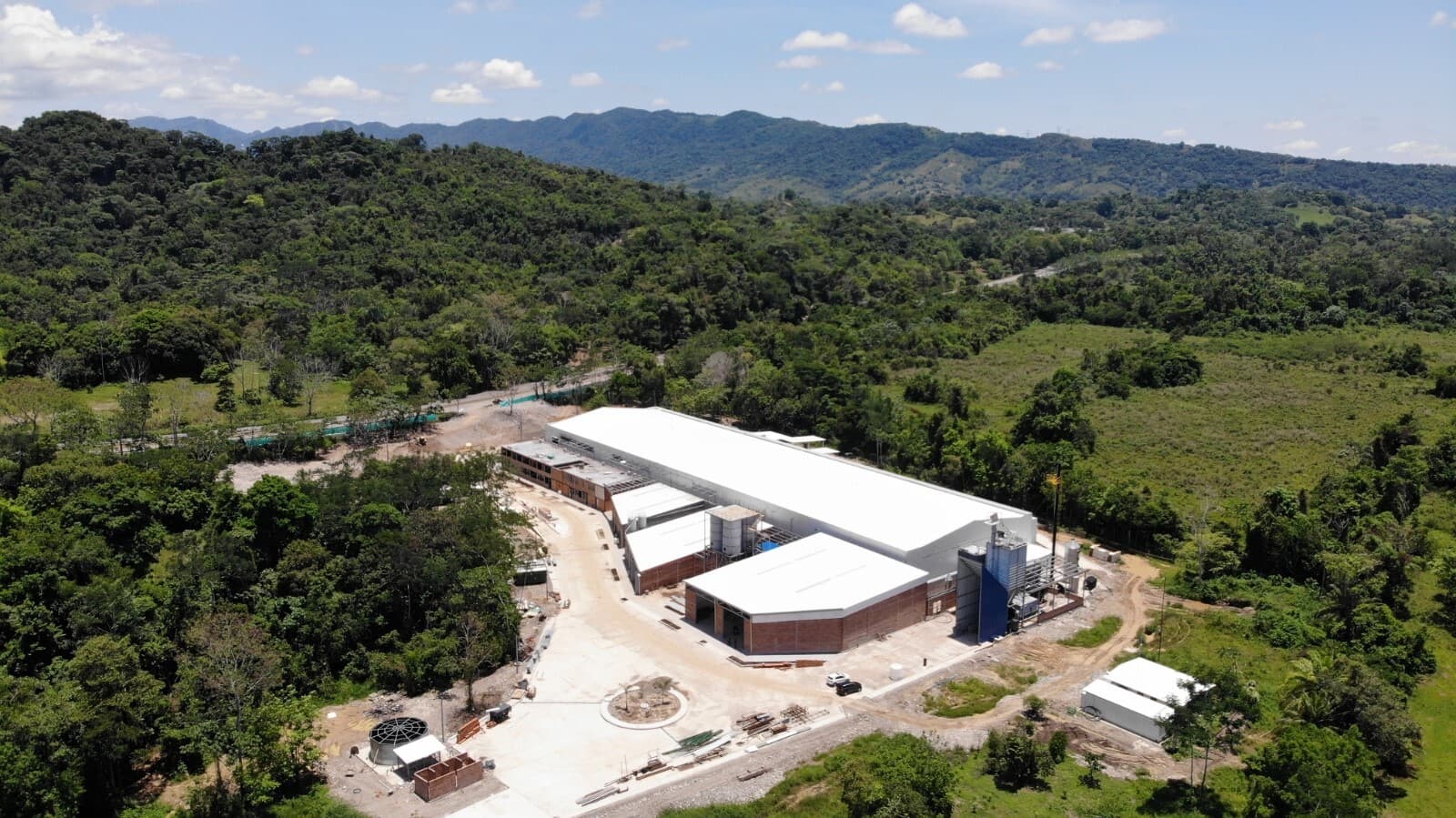
Within our portfolio, Mara Renewables has shown how algae fermentation can produce reliable omega‑3 oils without relying on wild fisheries. In 2024 alone, Mara’s production displaced the equivalent of 6.7 billion anchovies from the global supply chain. Another example is Enthos, which is scaling Black Soldier Fly (BSF) production that converts food waste into high-quality feed ingredients. BSF systems can yield up to 1,500 times more protein per hectare than soy, and Enthos’ flagship facility in Colombia is designed to become one of Latin America’s largest insect protein hubs. These platforms are operating at commercial scale and demonstrate what it looks like to decouple aquaculture growth from constrained marine inputs.
Circular Economy Feeds
A defining feature of the global food system is inefficiency, with more than 1.3 billion tons of food wasted each year. Circular economy feed solutions address this imbalance by capturing nutrient streams that would otherwise be discarded and converting them into aquaculture inputs. Byproducts from food processing, invasive species removal, and bioconversion are emerging as viable sources of feed-grade protein and oils.
Our portfolio company Aquatic Protein exemplifies this approach by converting invasive Asian carp into fishmeal and fish oil. This model simultaneously addresses a long-standing ecological challenge in U.S. waterways while supplying domestic feed markets. Circular feed systems like this strengthen regional supply chains, reduce reliance on imported ingredients, and create resilience where traditional inputs fall short.
Precision Nutrition
Feed represents the largest share of aquaculture operating costs, yet a meaningful portion is still wasted. Precision nutrition tools are tackling this inefficiency by aligning feed delivery with real-time fish appetite and growth needs. AI-driven cameras and sensors now allow farmers to monitor behavior continuously and adjust feeding dynamically.

For example, ReelData, a S2G portfolio company, is advancing this shift through AI-enabled monitoring and predictive analytics in land-based systems. Its platform uses machine learning and imaging to interpret appetite signals, measure biomass, and automate feeding in real time. The result is up to 25% feed waste reduction and 10 – 15% faster growth rates, alongside more predictable harvest cycles and lower operating risk.
Functional Feeds
Disease remains one of aquaculture’s most costly constraints, and reliance on antibiotics is increasingly untenable. Functional feeds offer a new paradigm: using nutrition to strengthen immunity and resilience. By incorporating bioactive compounds, these feeds shift aquaculture from reactive treatment toward prevention.

Within our portfolio, Kuehnle AgroSystems produces natural astaxanthin via fermentation. Astaxanthin is a critical carotenoid in aquaculture feed, widely used to support pigmentation, immune function, stress tolerance, and reproductive performance. It is both a health ingredient and a commercial necessity, influencing product quality, animal resilience, and market value. Kuehnle’s fermentation-based process delivers 75% lower GHG emissions, 85% lower water use, and 98% lower land use than other natural astaxanthin sources used in aquaculture. Additionally, ViAqua is advancing RNA-based feed solutions, with its first product targeting White Spot Syndrome Virus (WSSV), one of the most damaging pathogens in shrimp farming, responsible for billions in annual losses worldwide.
A Reimagined Future of Aquafeed
By 2030, aquaculture will require more than 60 million additional tons of feed. Whether that demand supports global food security or drives further ecological strain depends on feed innovation.
Importantly, the economics align with the impact. Diversifying feed ingredients reduces exposure to volatile commodity markets. Smarter feeding improves margins while also improving water quality. Healthier fish grow more consistently, survive at higher rates, and produce more predictable yields. These gains accrue not only to farmers, but to coastal and rural economies that depend on stable aquaculture production, and ultimately to consumers who rely on seafood as an affordable, nutrient-dense source of protein.
Realizing this future will require coordination. Ingredient innovators must scale with discipline and consistency. Farmers and feed manufacturers must validate performance and commit to adoption through long-term partnerships. Regulators must provide clear, science-based pathways that recognize both safety and urgency. And investors have a role to play in backing proven platforms through the hard work of disciplined scale-up.
If we get this right, aquaculture can deliver more protein with fewer resources and greater resilience.
If you’re interested in learning more, I invite you to download our report, Aquaculture Feed Innovation: A Critical Unlock to Global Food Security.


